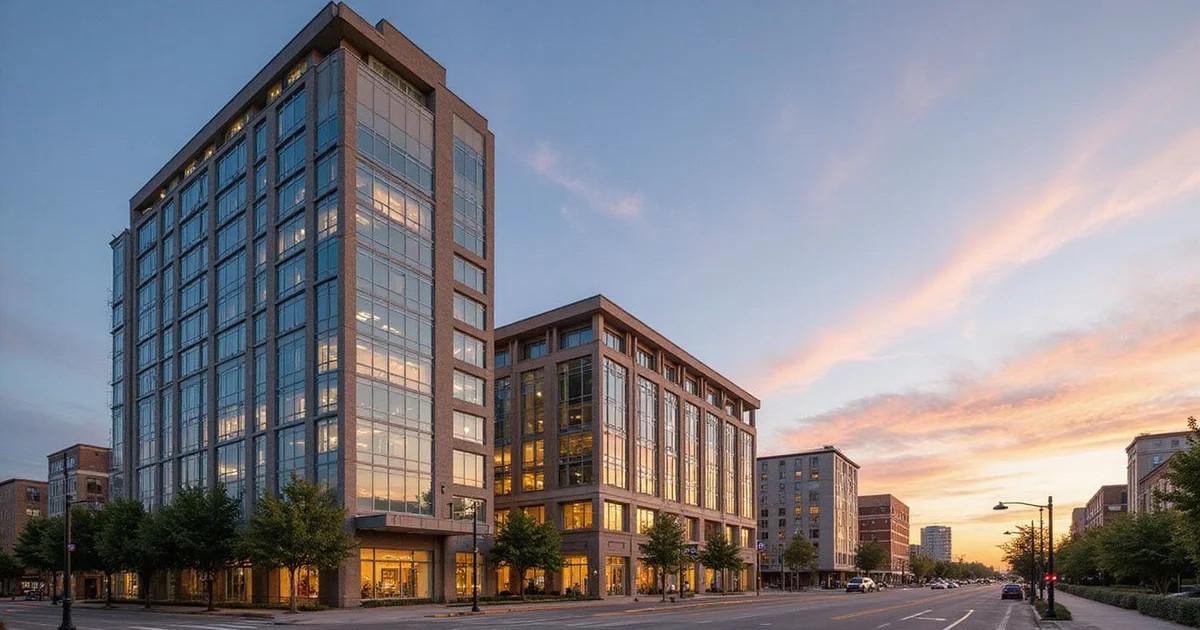
We know the transition from a sprawling garden complex to a downtown tower introduces a unique set of challenges. Young professionals relocating to Houston for tech, energy, or medical roles often assume the application process is identical to renting a traditional apartment.
The reality is that vertical living brings new fee structures and logistical rules that catch many first-time residents off guard. Understanding these nuances is exactly what separates a frustrating experience from a highly successful move. The Houston High Rise Apartment Team has placed renters in all 50 towers we track.
Let’s break down the hidden costs, clarify the daily logistics, and explore the essential renting a high rise apartment tips you need before touring.
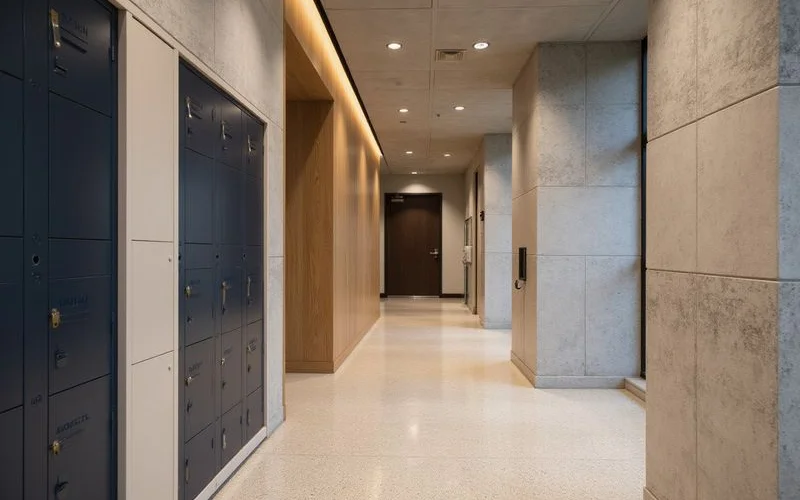
1. The Same Layout Costs More Higher Up
We always advise clients to evaluate a building’s pricing structure before falling in love with a specific view. Revenue management software sets rent by unit type, floor, and view line.
This means the identical one-bedroom layout will cost noticeably more on the 25th floor than on the 8th. Corner units typically command an even higher premium in buildings like Aris Market Square. Starting rents you see advertised usually reflect studios or apartments on the lowest floors.
Our clients often find that mid-floor units provide excellent natural light without the maximum price tag. You can allocate those savings toward parking or other amenities instead.
Our guide to floor premiums explains how to compare tiers for the same plan.
| Floor Level | Typical Pricing Impact |
|---|---|
| Floors 2-9 | Base pricing, often faces the street or parking garage. |
| Floors 10-20 | Moderate premium, better light and reduced street noise. |
| Floors 21+ | Highest premium, unobstructed skyline views, unique floor plans. |
2. Base Rent Is Not the Whole Monthly Cost
We see renters miscalculate their budget by ignoring the mandatory fees tacked onto the base rent. A $2,200 one-bedroom at properties like Market Square Tower is just the starting point. Expect a series of monthly add-ons that quickly inflate your housing budget.
- Parking: A reserved spot in downtown Houston garages often runs $65 to $150 per month.
- Pet rent: You will likely pay $25 to $75 monthly per pet, plus a $200 to $500 upfront deposit.
- Amenity or tech fees: Buildings frequently bundle Wi-Fi, package lockers, or valet trash into a mandatory monthly charge.
- Utilities: Electricity requires setting up an account via Power to Choose, while water is typically billed back by the building.
Two towers displaying the exact same advertised rent can differ by hundreds of dollars once you calculate the actual totals. You must always compare the all-in monthly cost.
Rule of thumb
Ask every building for the full monthly total on the exact unit: rent, parking, pet rent and every recurring fee. Then compare that number, not the advertised rent.
3. Lease Terms Are Often 12-15 Months
We frequently encounter 14-month or 15-month lease requirements when securing the best move-in specials. Buildings use these extended terms to recover the cost of the concession and push your renewal date into a busier, more profitable leasing season.
In 2026, properties like 1414 Texas offered one month free on a 14-month lease, while Catalyst Houston offered similar extended-term discounts. Longer commitments are perfectly fine if you plan to stay in the city for the foreseeable future.
Our team highly recommends reviewing the fine print for early termination penalties if a job transfer might force you to move. Ask the leasing agent for the exact fee before signing the paperwork. Read our guide on net effective rent to see what the special is really worth.
4. Move-In Costs Come Due at Once
We want you to have your funds prepared because luxury towers demand several payments on signing day. You typically pay a non-refundable application fee between $50 and $100 per applicant.
Most Houston properties also charge a separate administrative fee ranging from $150 to $250 just to process the paperwork. Standard security deposits, first month’s rent, and any parking or pet fees are also due upfront.
Our move-in costs breakdown walks through each line item.
A move-in special might credit part of your first month, or the property manager may spread the discount evenly across your lease term.
5. Elevators Shape Your Day
We remind every client that living in a 30-story building means the elevator dictates your daily schedule.
- Moving day: You will need to reserve the freight elevator and loading dock, usually in a strict 2-hour or 4-hour window.
- Insurance rules: High-rise management requires your movers to provide a Certificate of Insurance (COI) days in advance.
- Rush hour: Morning waits grow frustratingly long in older towers with fewer cabs per unit.
- Dog owners: Lower floors drastically cut down the time required for emergency bathroom trips. See living with a dog in a high rise.
- Outages: Ask the leasing staff which specific elevators run on backup generator power during severe Houston storms.
6. Packages Go to a Room, Not Your Door
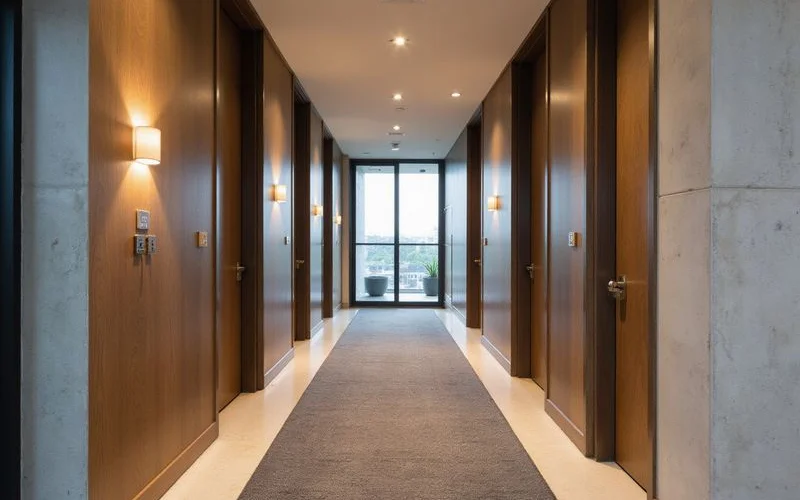
We see package management as a massive logistical hurdle for modern high-rises. A typical tower processes over 12,000 deliveries a year, meaning couriers rarely bring boxes directly to your apartment door.
Most Houston towers rely on smart locker systems like Luxer One or Parcel Pending. These systems text you a one-time access code when a delivery arrives.
Our advice is to ask the leasing team how they handle locker overflow if you order bulky items frequently. Large deliveries during the holidays often end up in a secondary package room with limited front desk pickup hours.
7. Noise Works Differently
We prefer concrete construction because it blocks significantly more sound between units than wood-frame garden apartments. The noise you experience in a tower usually originates from outside your walls rather than from your immediate neighbors.
Street traffic from busy corridors like Washington Avenue carries clearly to the lower floors. You will also hear the amenity deck loudly if your balcony sits directly above the pool or outdoor grilling area.
Our team always checks the building layout before recommending a specific unit. Mechanical equipment near the roof or parking garage generates a constant hum that bothers light sleepers. Ask which stacks face the lively amenity deck and which face the quieter side streets.
8. Screening Is Stricter
We know that luxury towers utilize aggressive software to vet every applicant. Most Houston high-rises require a 600 to 650 credit score and verifiable gross income equal to three times the monthly rent.
Screening companies like RealPage, Yardi, and SafeRent Solutions analyze your rental history and credit profile. You should request your own tenant screening report from a provider like TransUnion SmartMove before applying.
This simple step allows you to check for errors and resolve them before paying a non-refundable fee.
Our screening criteria guide covers all four factors we track.
9. Security and Access Are Layered
We appreciate the peace of mind that comes with multi-tiered security systems in vertical communities. You will use a digital key fob or a smartphone app like ButterflyMX to enter the lobby, access the garage, and call the elevator.
This layered approach is far more secure than a typical open-air garden community. Your visitors cannot simply knock on your front door.
Our clients quickly adapt to the new routine of registering guests and food delivery drivers in advance through a resident portal.
10. Your First Month: What New Residents Tell Us
We hear from clients that the initial few weeks require a few minor lifestyle adjustments.
- Fob everything. Expect separate access requirements for the lobby, garage, amenity floors, and sometimes your specific floor.
- Learn the trash system. Many towers feature trash chutes on every floor, while recycling lives in a separate ground-floor room.
- Book shared spaces. Resident lounges, private dining rooms, and rooftop grills often require advance reservations through an app.
- Plan deliveries. Retail furniture deliveries demand a freight elevator booking, exactly like your initial move-in.
- Find your quiet stack. Ask management about transfer policies at your first renewal if the amenity deck is louder than anticipated.
These minor shifts become second nature within a month.
Mistakes First-Timers Make
We constantly review the high rise apartment pros and cons with prospective renters to prevent costly errors. It is incredibly common to focus on the luxury aesthetic while ignoring the practical realities of a vertical community. You can save thousands of dollars simply by taking a methodical approach to your apartment search.
Our team flags these exact issues during every consultation. Here are the most frequent missteps we observe:
- Choosing a unit based on the advertised rent rather than calculating the all-in monthly cost.
- Signing a 15-month lease without checking the renewal starting point.
- Applying to several buildings simultaneously and wasting money on multiple non-refundable fees.
- Selecting the highest floor available without comparing the price of the exact same layout lower down.
- Skipping the move-in inspection photos, which protects your security deposit.
Each one is easy to avoid with a little preparation. We flag all five of these issues on every custom shortlist we send to our clients.
A Quick Pre-Tour Checklist
We prepare a thorough checklist for clients experiencing their first time renting a high rise. Having a written list of questions ensures you gather the exact data needed to compare multiple properties objectively.
- All-in monthly cost on the exact unit (rent plus every recurring fee)
- Floor premium vs. a lower floor in the same stack
- Lease term required for the current special
- Parking type, monthly cost and guest parking rules
- Pet policy if it applies
- Package handling and front-desk hours
- Move-in elevator booking rules
Implementing these renting a high rise apartment tips prevents costly surprises.
We check all of this for every tower on your shortlist. Start your search and we will text back buildings that fit, with the add-ons spelled out.