Three Building Types, Three Different Deals
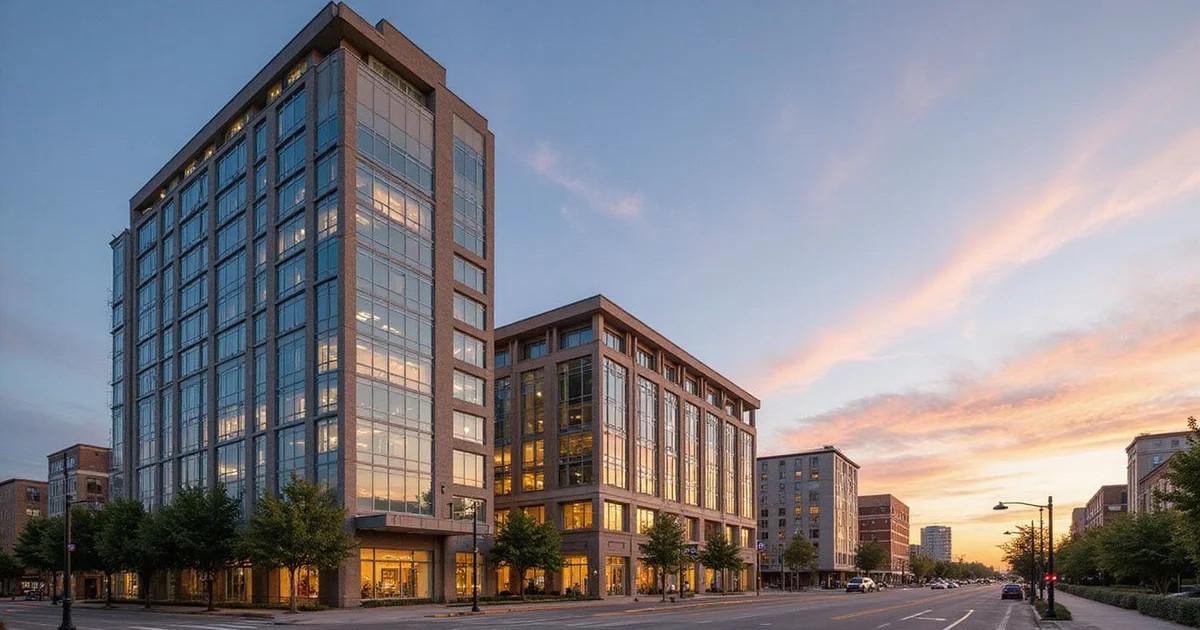
Houston renters choose among three building types: garden-style complexes (2–4 stories, surface parking), mid-rises (often 5–12 stories, wrapped around a garage), and high rises (tall concrete towers with structured parking and elevator banks). The Houston High Rise Apartment Team only places renters in high rises, but we are honest about when another building type fits better.
The Rent Gap
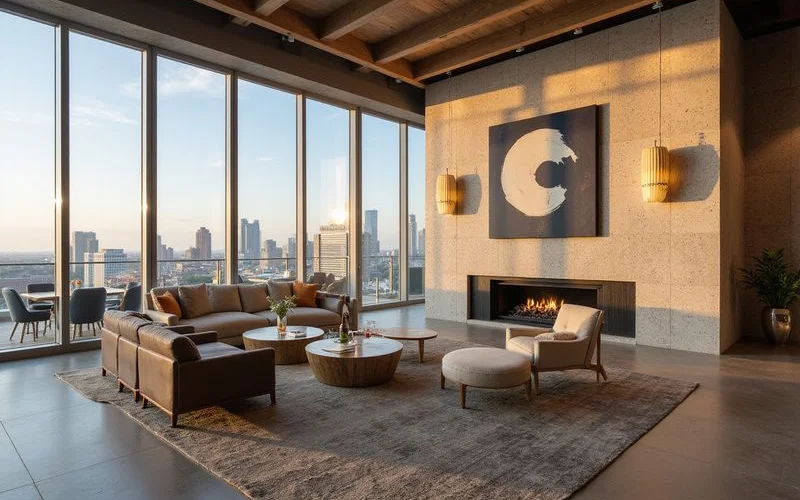
High rise rents run well above Houston’s $1,446 citywide average (Trulia, August 2026). A 1-bedroom in a Downtown or Galleria tower typically starts around $1,600–$2,200, while a comparable unit in a garden-style complex across Houston averages under $1,400.
That said, the gap is not uniform. In our October 2026 data, 11 high rises started under $1,600, led by Houston House ($925), The Rice ($1,053) and 230 West Alabama ($1,159). Our affordable high rise page lists them all.
| Garden-style | Mid-rise | High rise | |
|---|---|---|---|
| Typical height | 2–4 stories | 5–12 stories | Tower with multiple elevator banks |
| Parking | Surface lots, often included | Wrapped garage | Structured or subterranean garage, often an add-on |
| Typical 1BR asking rent | Under $1,400 citywide | Varies widely | $1,600–$2,200+ Downtown and Galleria |
| Construction | Usually wood frame | Wood or concrete | Concrete frame |
| Screening | Often more flexible | Varies | 600–650 credit, up to 3x income common |
| Staffed services | Leasing office | Leasing office, sometimes a desk | Front desk or concierge common |
Vacancy and What It Means for Specials
CoStar put Downtown high rise vacancy near 5% in August 2026, against 17%+ for Downtown mid-rises. That difference drives pricing behavior:
- High rises with low vacancy hold asking rents and use targeted specials, often tied to 14–15 month terms.
- Mid-rises with high vacancy tend to discount harder to fill units.
So a mid-rise can sometimes beat a high rise on net effective rent, even when its asking rent looks similar. That is worth checking if price is your top priority. Our net effective rent guide shows the math.
What the Premium Buys
When you pay for a high rise, you typically get:
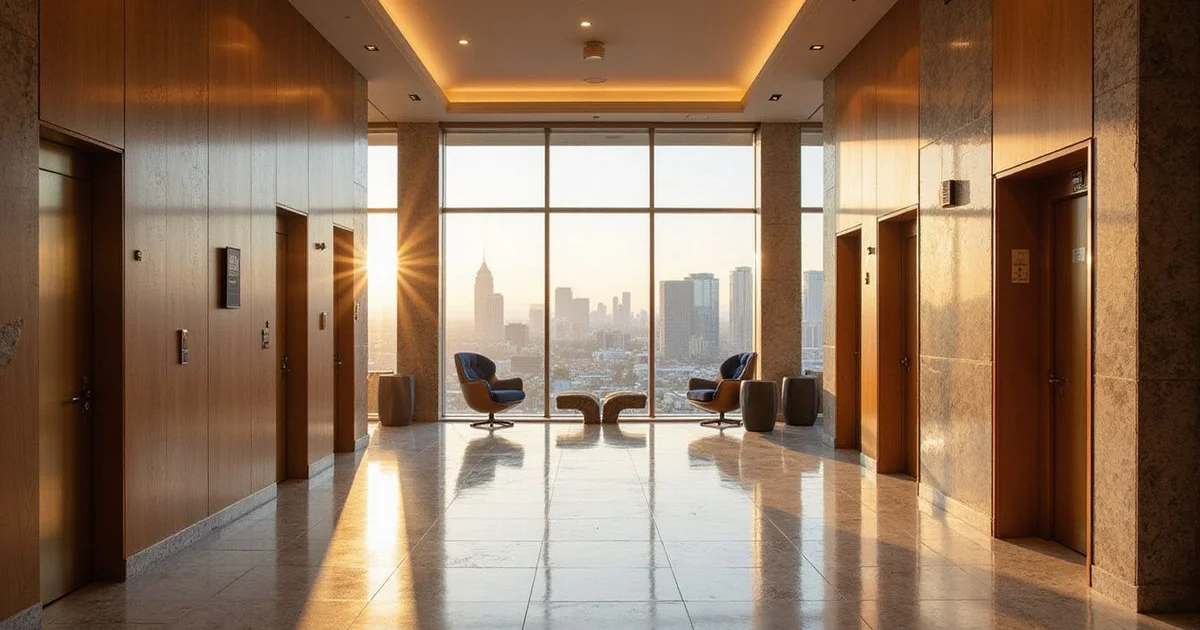
- Views and light. Floor-to-ceiling glass on upper floors, with skyline, park or bayou view lines.
- Concrete construction. Better sound separation between units than most wood-frame buildings.
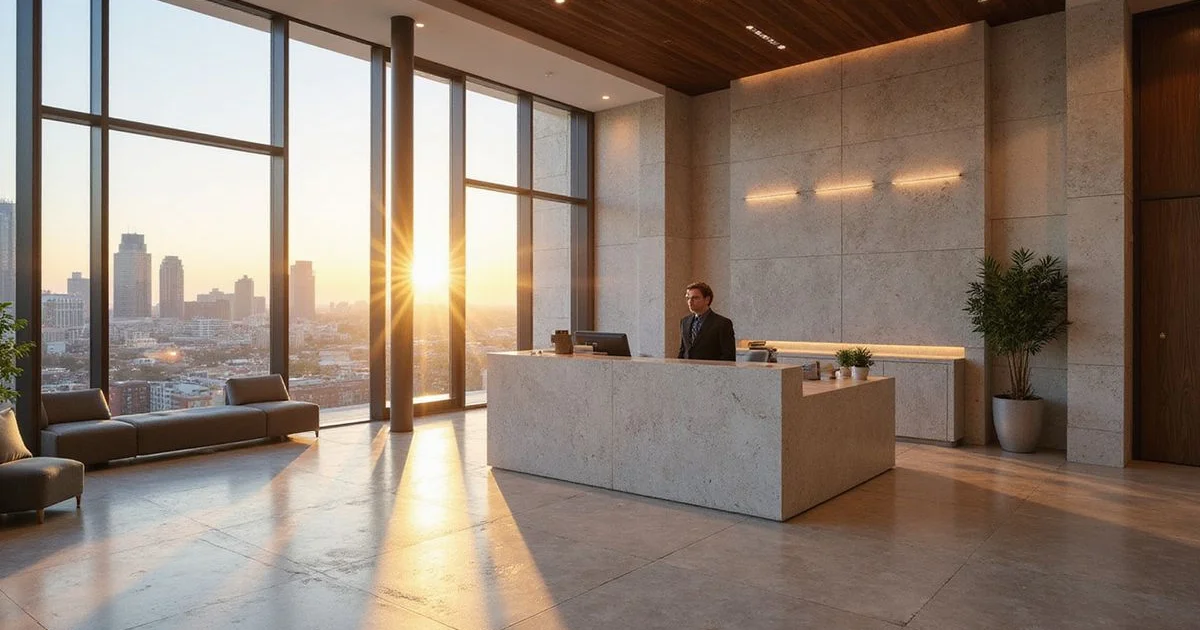
- Layered security. Key fob access to the lobby, elevators, garage and residential floors, plus a front desk at many towers.
- Amenities in the building. Sky lounges, amenity-deck pools, fitness studios, coworking, package lockers and sometimes concierge service.
- Location. Most towers sit in walkable inner-loop corridors like Downtown, Midtown and the Museum District.
What You Give Up
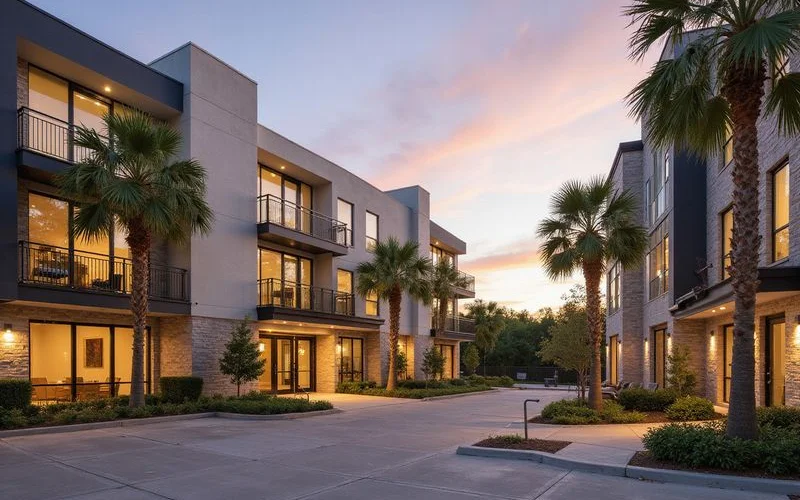
- Space for the money. Garden-style units are often larger per dollar.
- Easy parking. High rise parking is often a monthly add-on, and the walk from garage to unit can be long.
- Quick outdoor access. Dog owners and frequent movers feel the elevator time.
- Looser screening. Garden communities are often more flexible on credit.
Is Screening Really Stricter?
Usually, yes. High rises and garden-style communities use the same platforms (RealPage, Yardi, SafeRent), but towers tend to set higher thresholds: 600–650 credit and 2.5x–3x income. Some use tiered systems that approve lower scores with a larger deposit. Read Houston high rise screening criteria before you apply.
Who Each Type Fits
Garden-style fits renters who want the most space per dollar, easy parking, a ground-floor patio for a dog, or more flexible screening.
Mid-rise fits renters who want newer finishes and a walkable location without high rise prices, especially when mid-rise specials are deep.
High rise fits renters who value views, concrete construction, staffed services and inner-loop walkability, and who are comfortable with parking and elevator trade-offs.
Cost Beyond Rent
Asking rent is only part of the comparison. Here is how the recurring extras usually differ:
- Parking: garden communities often include surface parking; high rises often charge monthly per garage space.
- Utilities: high rise units can be more efficient per square foot because of shared walls above and below, but west-facing glass raises summer cooling bills.
- Amenity and tech fees: more common in high rises and newer mid-rises.
- Pet rent: similar across types, but high rises are more likely to cap weight or restrict breeds.
Daily Life Differences
| Garden-style | High rise | |
|---|---|---|
| Groceries in | Car to door | Garage, elevator, hallway |
| Packages | Office or doorstep | Lockers or front desk |
| Noise | Footsteps from above in wood frame | Street and amenity-deck noise on some stacks |
| Guests | Easy surface parking | Guest passes or visitor spaces |
| Views | Courtyard or lot | Skyline, park or bayou on upper floors |
A Simple Decision Rule
If you will use the views, amenities and walkable location daily, the high rise premium usually pays for itself in quality of life. If you mostly need space, a quiet bedroom and easy parking, a garden-style or mid-rise unit with a strong special may be the better value. Either way, compare all-in monthly cost and net effective rent, not asking rent.
Making the Upgrade
If you are moving into a high rise for the first time, read what to know before renting a high rise for the practical side: move-in elevators, package rooms and add-on fees. Then send us your budget and must-haves in the questionnaire. If a high rise does not make sense for your numbers, we will tell you. Start your search.