Is Car-Free Living Realistic in Houston?
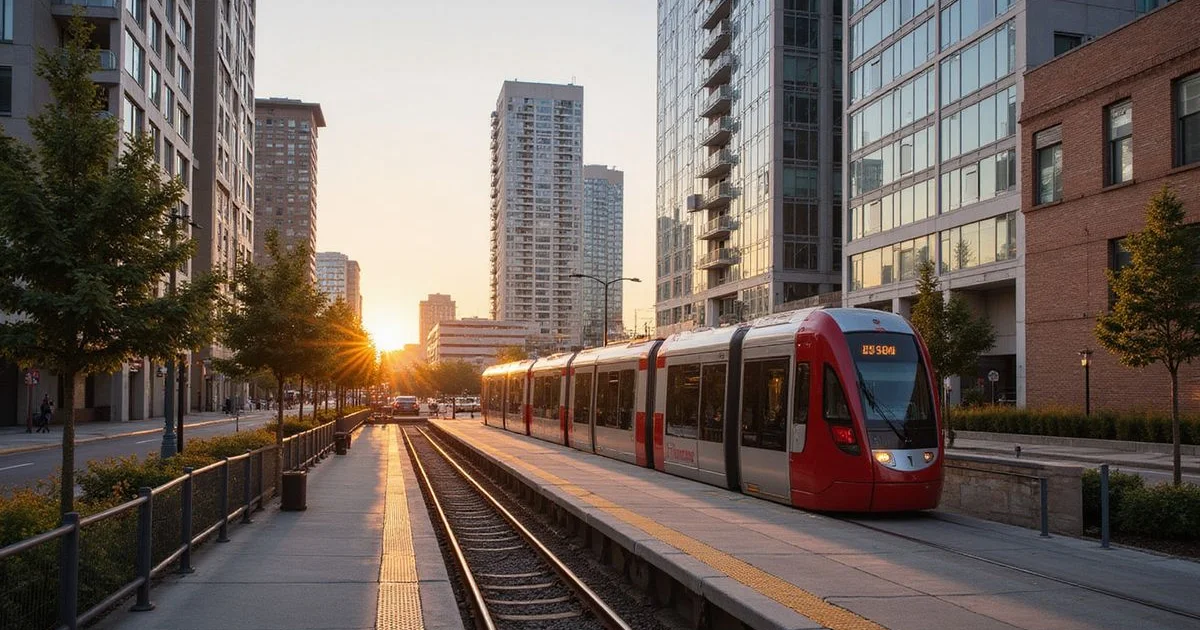
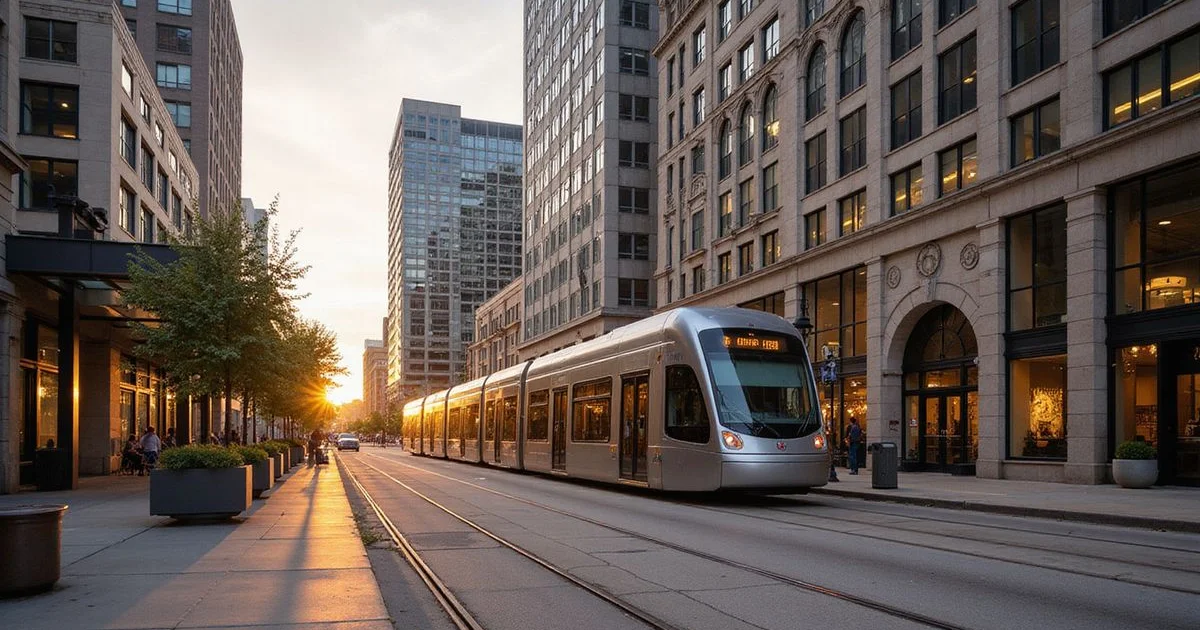
Houston is built for cars, but one corridor breaks the pattern. Along the METRORail Red Line, from Downtown through Midtown and the Museum District to the Texas Medical Center, many renters live with one car or none. This guide covers commutes, the Downtown tunnels, groceries and the savings. It is part of our high rises near light rail search.
Where It Works
| Corridor | Rail access | Car-free fit |
|---|---|---|
| Downtown | Red Line on Main Street, tunnel system | Strong for Downtown office workers |
| Midtown | Red Line on Main Street | Strong, especially for TMC and Downtown commuters |
| Museum District | Museum District station | Good, with Hermann Park and museums nearby |
| Medical Center | TMC Transit Center | Strong for TMC staff |
| Montrose, River Oaks, Galleria | No Red Line | Difficult |
Commuting by Rail
The Red Line runs north-south. Typical car-free commutes:
- Midtown to Downtown for office workers
- Midtown or Museum District to TMC for medical staff
- Downtown to TMC for anyone splitting time
Rail-side towers in our data include Commerce Towers (914 Main), SoDo on Main (1625 Main), Luminary Residences (3300 Main) and Latitude Med Center near TMC. Read Red Line stops explained for stop-by-stop detail.
The Downtown Tunnel System
If you work Downtown, the Downtown Houston Tunnel System connects many office buildings underground, with food courts and shops. It makes walking practical in summer heat and rain. Downtown towers near tunnel entrances let some residents skip the car entirely.
Try it before you sell the car
Live rail-side for a few months with your car parked. If you never move it, you have your answer.
Groceries and Errands
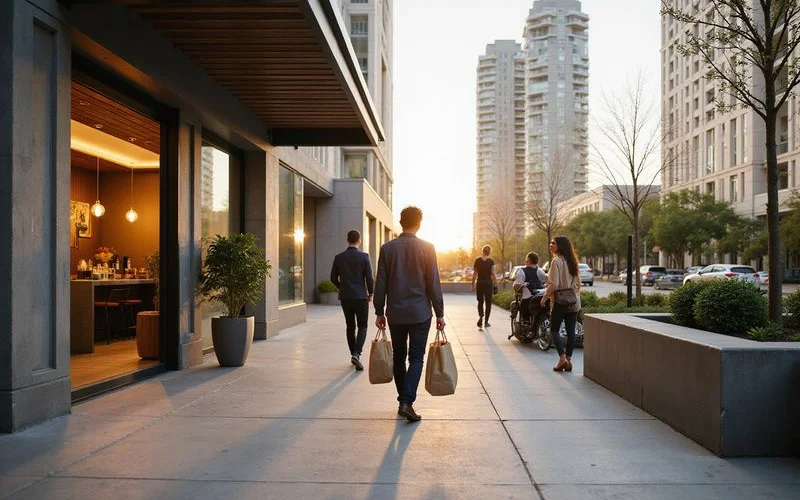
Grocery access varies by block. Downtown and Midtown have stores within walking distance of many towers, and delivery fills the gaps. We note the nearest full-size grocery for each tower on your shortlist. Bike share (Houston BCycle) stations in Downtown, Midtown and the Museum District help with short trips.
The Savings
Going car-free saves:
- The building’s monthly parking fee
- Car insurance, which can be high in Houston
- Fuel, maintenance and registration
- Car payments, if you have one
Even going from two cars to one saves a second parking space fee, which is often higher than the first. Compare parking costs in our high rises with parking search.
The Trade-Offs
- Trips outside the rail corridor take planning: ride-share, car rental or car-share.
- Summer heat makes long walks uncomfortable.
- Late-night service is less frequent.
A Car-Free Weekly Plan
- Workdays: Red Line to the office or hospital; tunnel walks Downtown.
- Groceries: one larger delivery a week plus walking trips for fresh items.
- Weekends: parks within walking distance, such as Discovery Green, Hermann Park or Buffalo Bayou Park, plus rail to events.
- Out-of-corridor trips: ride-share, a rental car or car-share for occasional errands.
Who Should Keep One Car
Keep a car if you commute outside the rail corridor, have regular trips to suburbs, or need to transport kids or equipment. Many couples keep one car and use the rail for the second commute, saving the cost of a second parking space.
Questions to Ask a Rail-Side Building
- How far is the walk to the nearest platform?
- Is there secure bike storage?
- Is there a nearby grocery store within walking distance?
- Can I reduce or drop my parking space later?
Get Rail-Side Options
Tell us where you commute and whether you plan to keep a car. We will send towers near Red Line stops, with parking fees noted so you can see the savings. Start your search.