Is a High Rise Safe During Houston Hurricane Season?
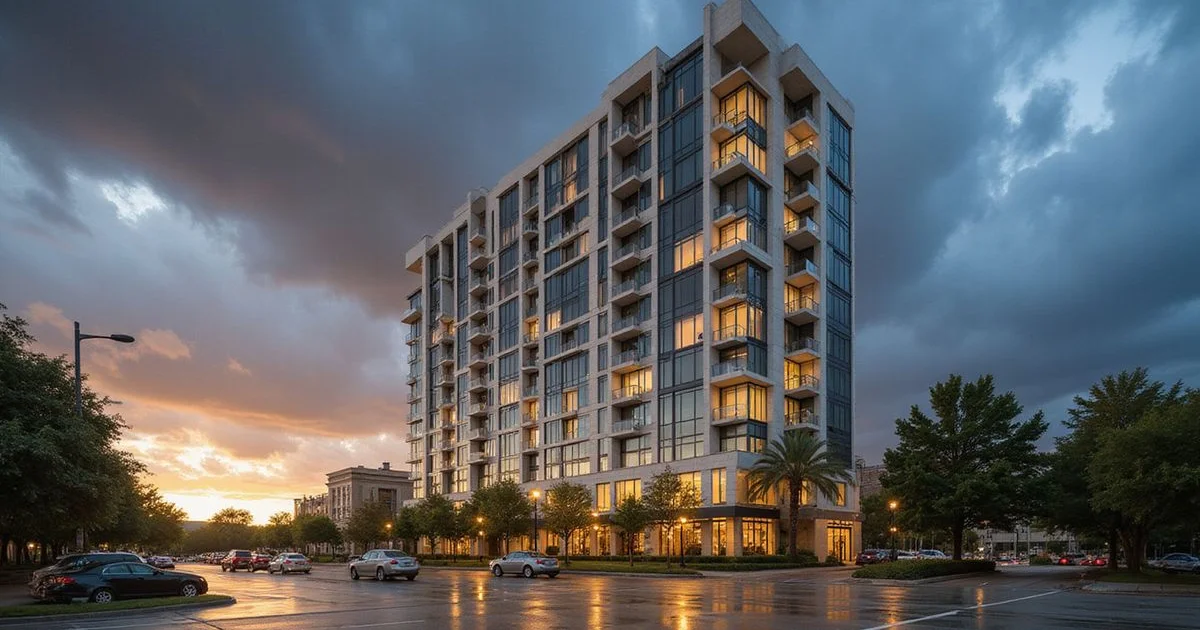
Houston’s hurricane season runs June 1 through November 30. If you are moving from somewhere without hurricanes, a tall glass tower might sound like the last place you want to be. In practice, modern concrete high rises are some of the sturdiest residential buildings in the city. The real questions are about power, water, elevators and your car.
The Houston High Rise Apartment Team tracks 50 towers, and storm readiness is one of the first things transplants ask us about. This guide gives you the questions to ask before you sign.
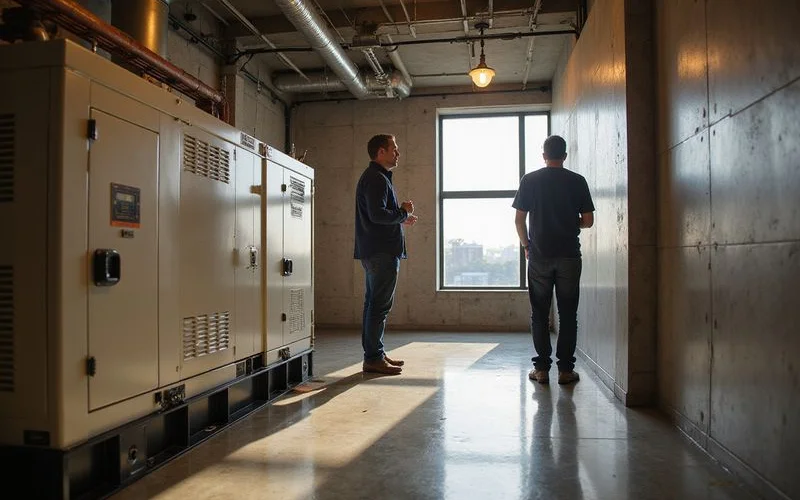
Backup Generators: What Stays On?
When the grid goes down, a building’s backup generator decides your experience. Generators rarely power everything. Ask leasing exactly which systems are on backup:
- Elevators: all of them, one per bank, or only a freight car? On the 30th floor, this matters.
- Water pumps: high rises need pumps to push water to upper floors. Without power, upper floors can lose water pressure.
- Corridor and stairwell lighting: required for safety, but confirm duration.
- Fire systems and access control: key fob doors and garage gates need power or a manual fallback.
- Fuel supply: how many hours or days the generator can run before refueling.
Ask this exact question
“If the power is out for three days, which elevators run, do upper floors keep water pressure, and how long does the generator run on its fuel supply?”
Flooding: Building and Garage
Most flood risk in a high rise is at ground level and below. Upper-floor units rarely take water, but lobbies, mechanical rooms and garages can. Two checks before you sign:
- Look up the address on Harris County Flood Control District flood maps.
- Ask about history. Has the property flooded? Where are electrical rooms and generators located: basement or upper floor?
Where Does Your Car Go?
Garages are the most common storm loss for high rise residents. Elevated structured garages keep cars above street level. Subterranean garages can take water in a major event. Ask whether the building has a plan to move residents’ cars to upper garage levels before a storm, and whether reserved spaces change during that plan. Our guide to high rise parking explains garage types in more detail.
Wind and Windows
Modern towers are engineered for wind loads well above typical storm conditions, and floor-to-ceiling glass in newer buildings is designed for it. Still, ask whether balcony furniture must be brought inside before storms and whether the building has a written storm plan for residents. Ask how management communicates during an event: text, app or email.
Questions to Ask Leasing Before You Sign
- Which systems run on the backup generator, and for how long?
- Which elevators are on backup power?
- Do upper floors keep water pressure during an outage?
- Has the property, lobby or garage flooded before?
- Is the garage structured or subterranean?
- What is the storm plan, and how do you notify residents?
- Do I need renters insurance with flood coverage? (Standard renters policies usually exclude flood.)
A Personal Storm Checklist for High Rise Residents
Building systems are only half the plan. Your own preparation matters just as much:
- Water: keep at least a few days of drinking water, in case pumps to upper floors lose power.
- Stairs: know your stairwell route and how long the walk down takes from your floor.
- Power: charge battery packs and keep a flashlight that does not depend on your phone.
- Car: move it to an upper garage level early if the building recommends it, and keep fuel above half a tank during season.
- Insurance: confirm your renters policy, and ask about flood coverage, which standard renters policies usually exclude.
- Documents: photograph your belongings and keep your lease and ID in a waterproof bag.
How Houston Buildings Differ
Newer towers delivered in recent years were designed under current building codes and often place generators and electrical rooms above grade. Older buildings, including renovated historic conversions, may have updated some systems but not others. Neither is automatically safer. The answers to the questions above matter more than the year built, which is why we ask them for every tower on your shortlist.
High Rise vs. Garden-Style in a Storm
A garden-style apartment has no elevator to lose, but ground-floor units are more exposed to street flooding. A high rise trades that for elevator and water-pump dependence during outages. If storms are your top concern, a mid-to-upper floor in a tower with a strong generator and an elevated garage is a solid combination. Compare the building types in high rise vs. mid-rise vs. garden-style.
We ask these questions for every tower on your shortlist. Start your search and tell us storm readiness matters to you.